Week 145 · Dublin, Ireland · First Trip to Ireland
Dublin,
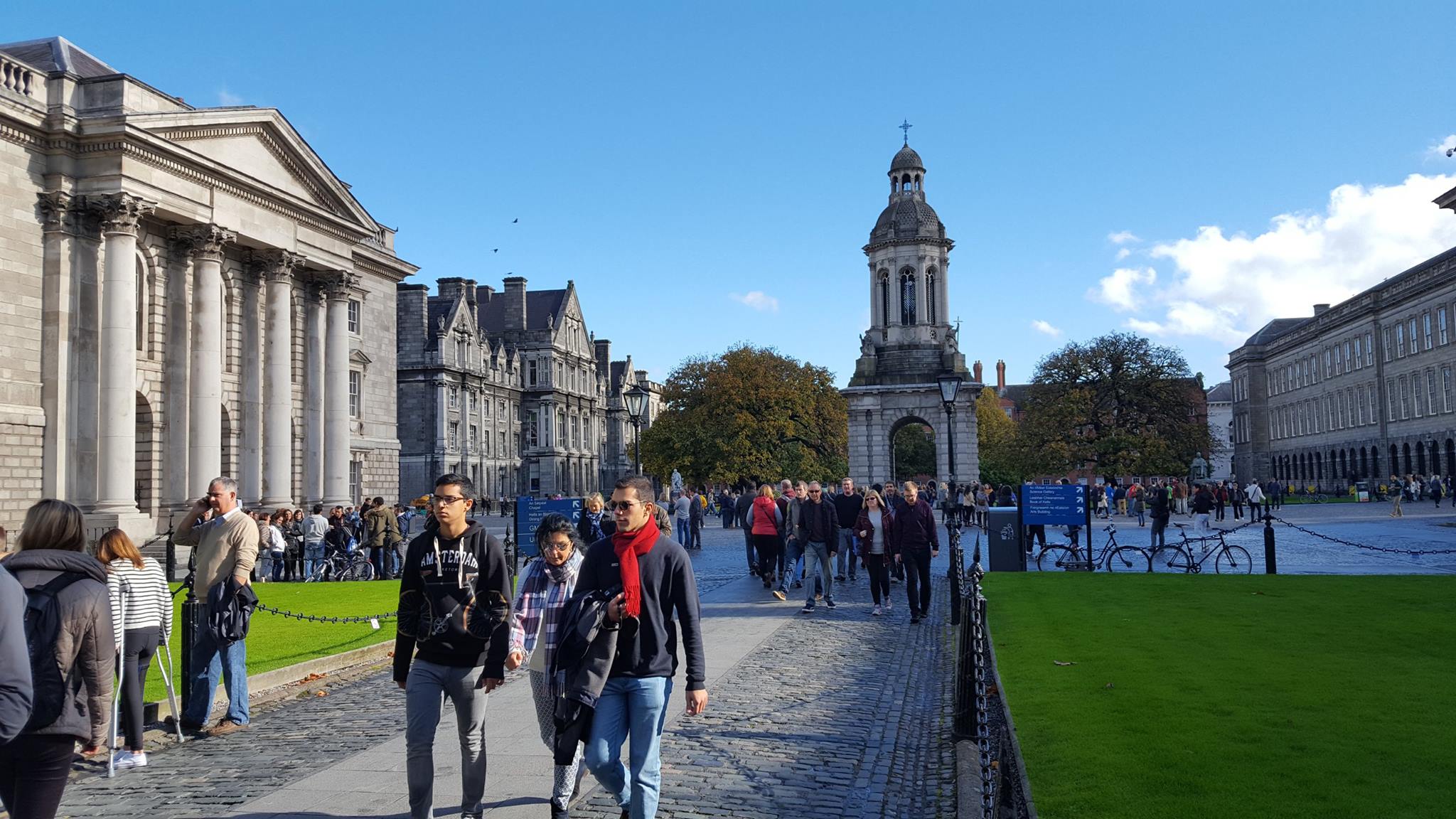
Even though we lived in London for several years, this was my first trip to Ireland — I think it was because if we ever left England we always wanted to go somewhere with sun. Luckily I had good weather for a quick trip to Dublin.
I was inspired by some friends who had recently visited and by low airfare and Airbnb costs — unfortunately airport parking and taxis ended up costing more than the flight and room. In/out for the weekend so the trip was limited to Dublin and I will have to visit the countryside on a future trip. First thing I was reminded how many of my neighbors are Irish — explains the social element in our neighborhood and places a lot of pressure on writing this — I can't have any errors. And thanks to Terry Collins for the trip guide. On a side note, I am convinced that an Irish pub in market square would thrive.
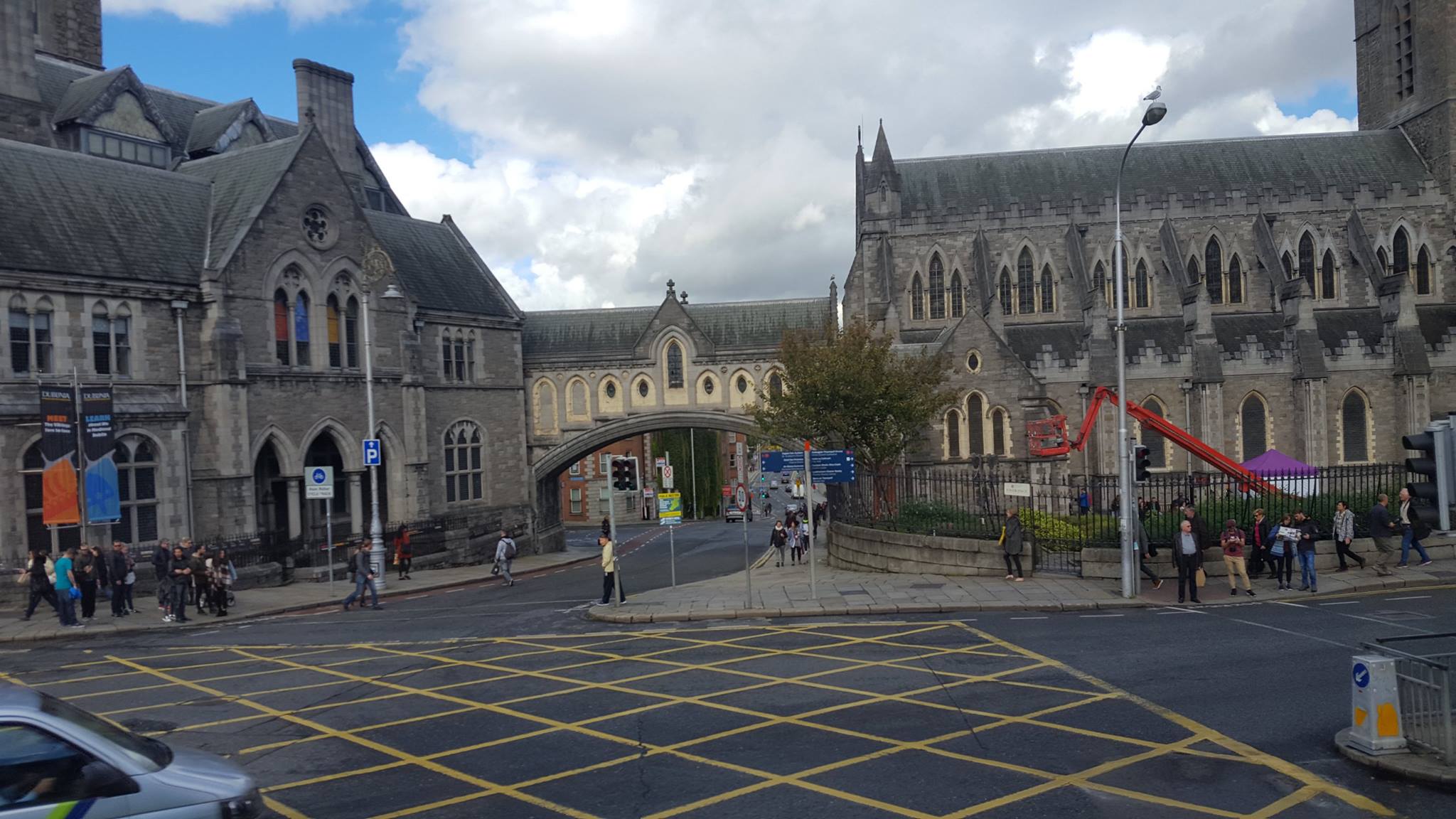
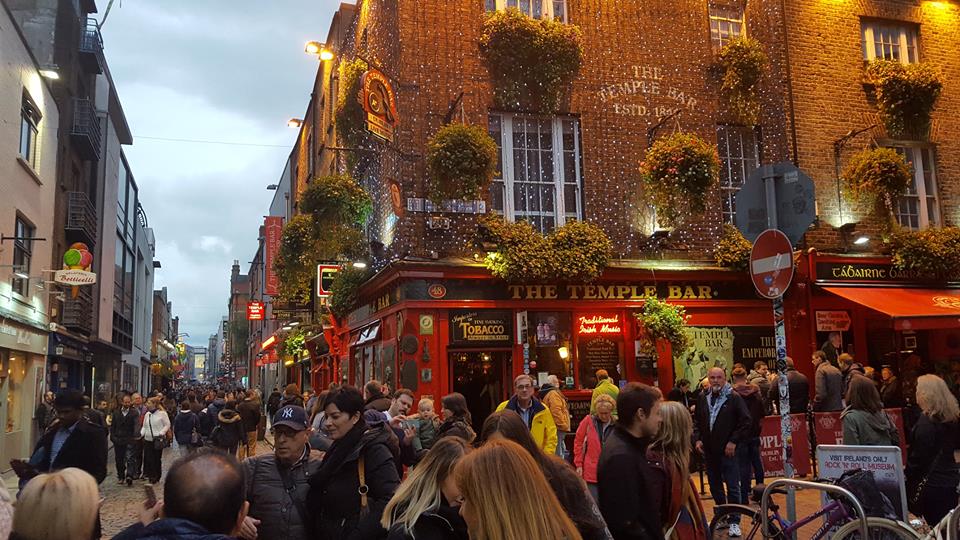
After a quick recce Friday night at the Temple Bar area, I got out early Saturday with the standard bus tour to hit the tourist sites before hitting the granddaddy of all tourist traps — the Guinness Storehouse. But very impressive and worth a visit if in Dublin — I wish it would have had more Irish history tied in with the growth of the company in the last 300 years.
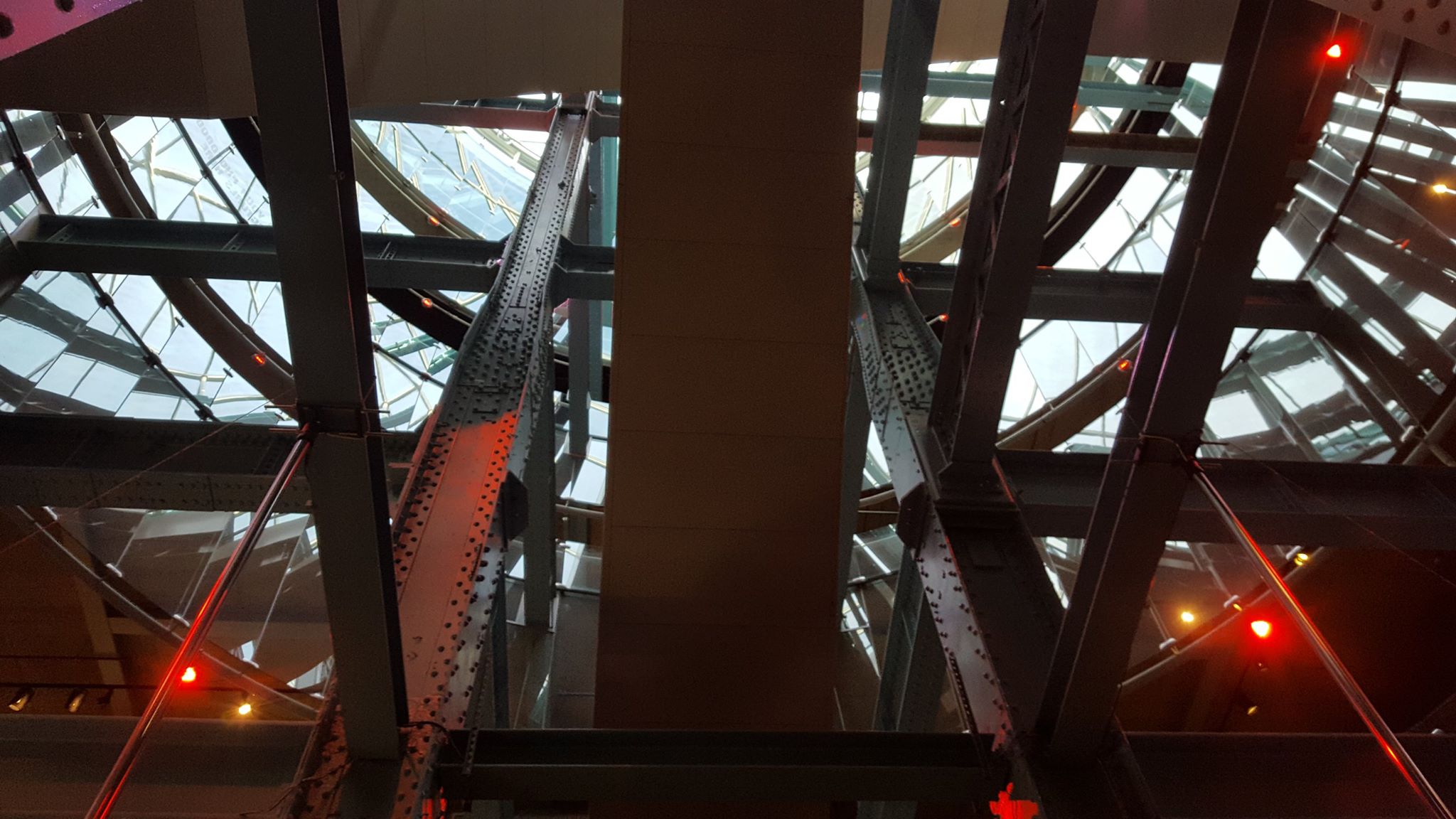
Arthur Guinness signed his famous lease at St. James's Gate Brewery in Dublin in 1759 — for 9,000 years at £45 per year. The storehouse commemorates this with considerable fanfare. The building itself is a seven-story structure shaped like a giant pint glass, and the top-floor Gravity Bar offers a 360-degree panoramic view of Dublin over a complimentary pint. It is consistently one of the most visited tourist attractions on the island of Ireland.

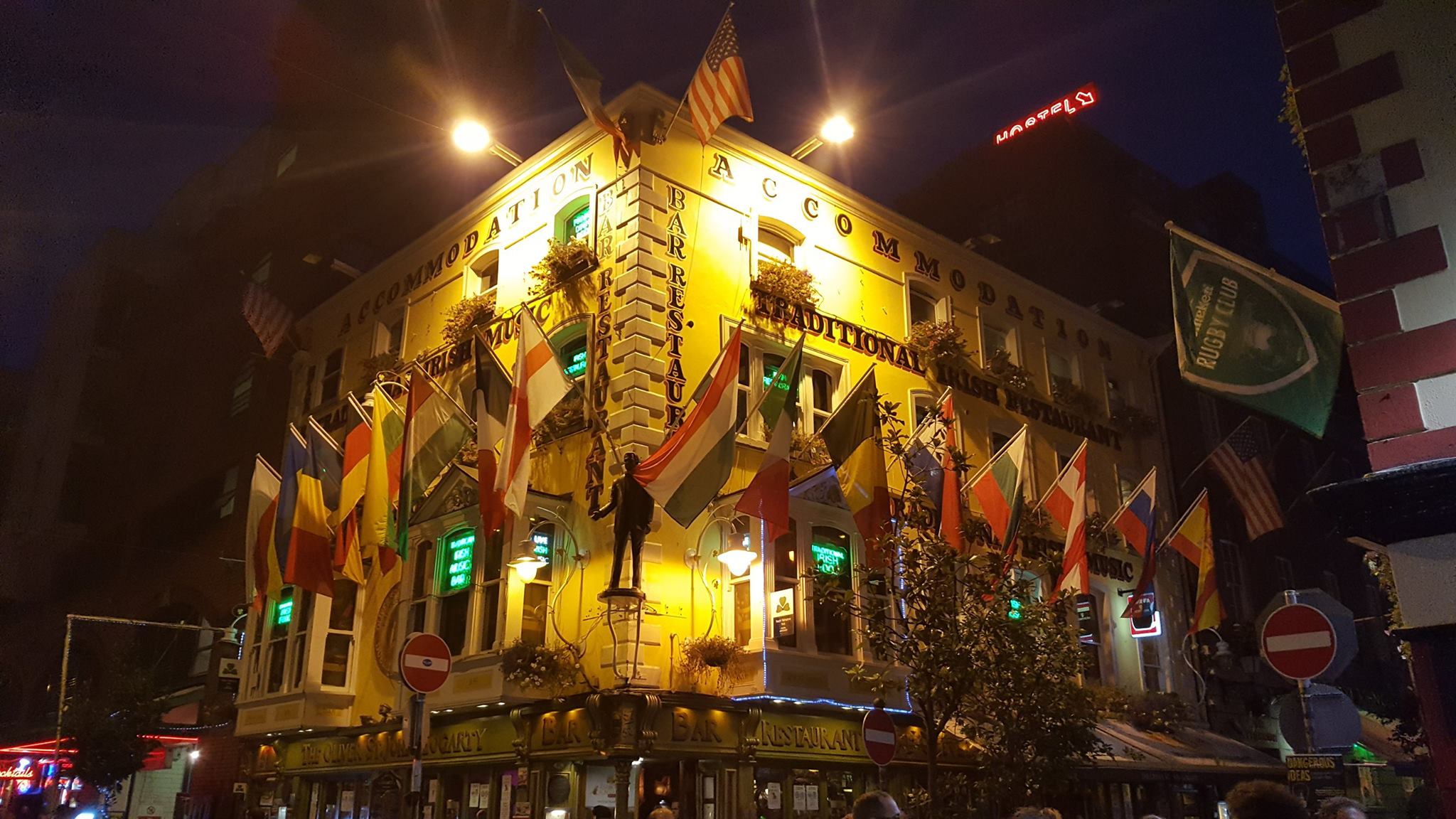
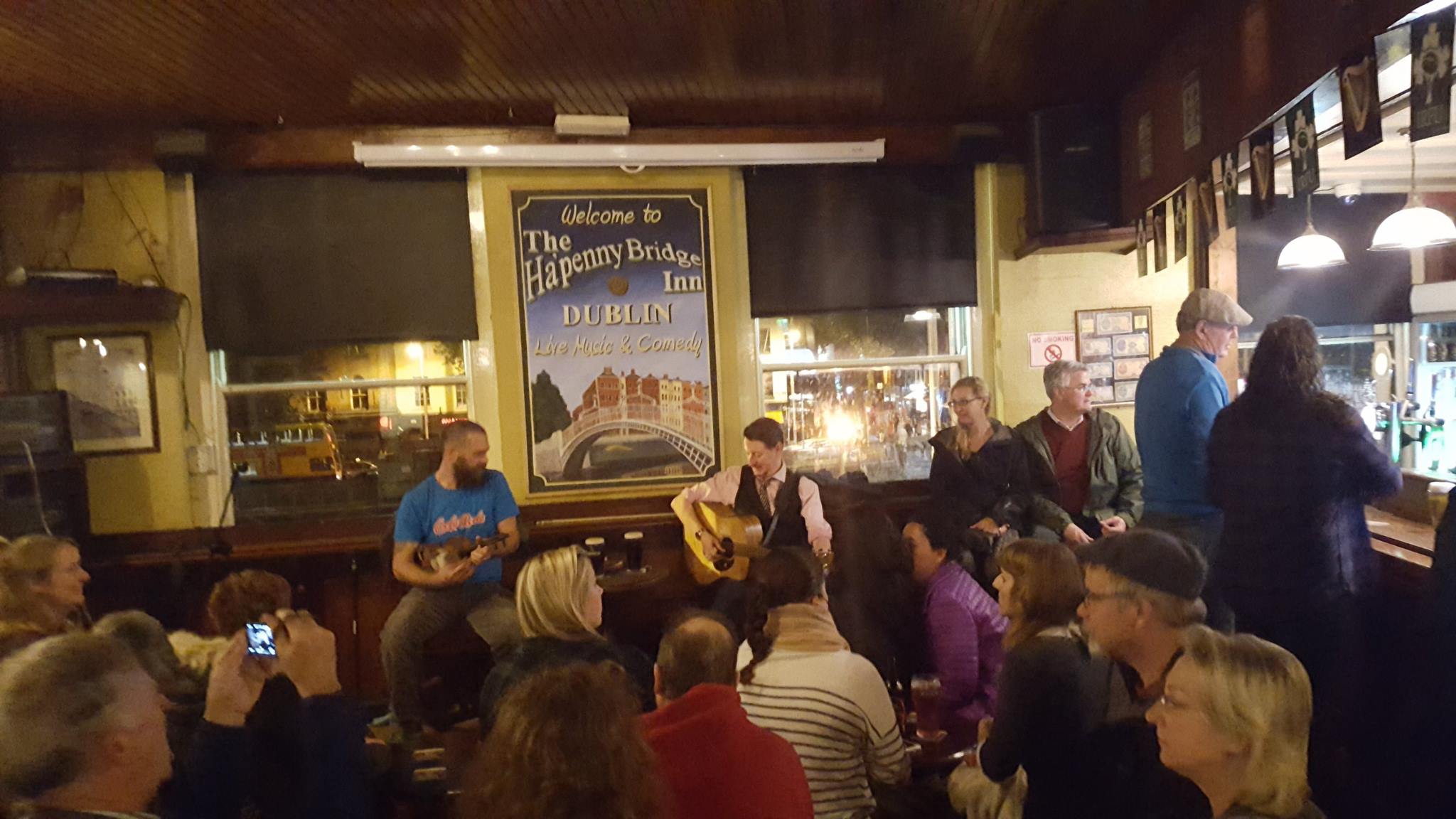
For Saturday, I was hoping to find a U2 tribute band but couldn't, and settled for a visit to the hotel that Bono and The Edge own — they didn't happen to show up. I did find a musical pub crawl — much different than expected. The pub crawl went to bars, had private rooms, and the musicians came with us and played traditional Irish music at each stop. During a walk in between pubs, I was talking to one of them which led to me being called on stage — no singing, just beating a Bodhran (drum) like a tourist beating a bass drum, and answering the standard question "what about Trump?" He then demonstrated how the Bodhran was played correctly — much more elegance. Topped the evening off with the worst burrito ever.
"The pub crawl went to bars and the musicians came with us — I ended up called on stage to beat a Bodhran like a tourist."


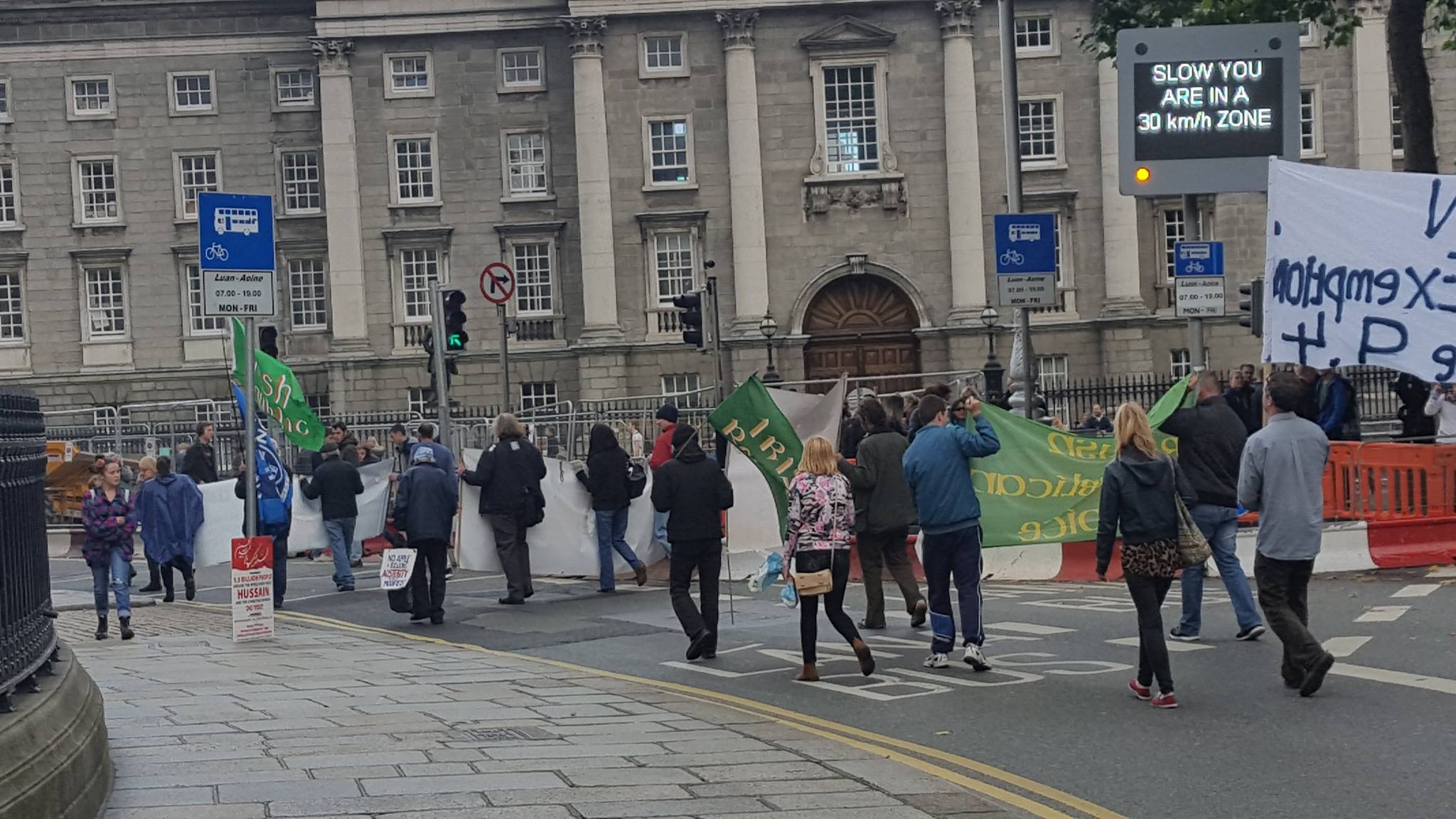
On Sunday I did the 1916 Rebellion Walking Tour — definitely recommend it to understand the dynamic. The key thing I learned was that it was a failure — but it set in motion the changes to come. With Brexit, Northern Ireland is closer than ever to considering separating from the UK and then presumably uniting with Ireland to stay in the EU. My Irish guide found it quite ironic that British pride would lead to Irish reunification.
The Easter Rising of April 1916 was an armed insurrection by Irish republicans against British rule, lasting six days before the rebels surrendered. The execution of fifteen of its leaders over the following weeks turned public opinion sharply in favour of independence and transformed the Rising from a military failure into a foundational moment of Irish nationalism. Ireland gained independence in 1922. The question of Irish reunification has grown in relevance since the 2016 Brexit referendum, as Northern Ireland voted to remain in the EU while England and Wales voted to leave.